Bunny Ear Hunter Embroidery Review
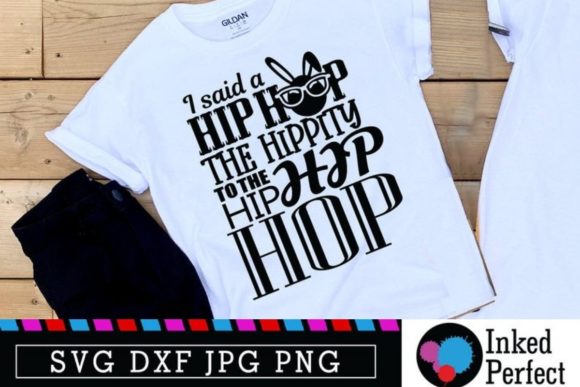
As an embroidery designer who spends more time than I care to admit staring at stitch density charts and testing fabric stability, I approach every new machine embroidery design with a mix of optimism and skepticism. The market is flooded with generic clipart converted into embroidery files, but few actually translate well from screen to hoop. That is why I decided to put the Bunny Ear Hunter design through its paces. This piece, marketed as a fun quote design for chocolate Easter bunny lovers, caught my eye not just for its holiday relevance, but for its potential utility in both personal crafting and commercial craft business ventures.
First Impressions and Visual Personality
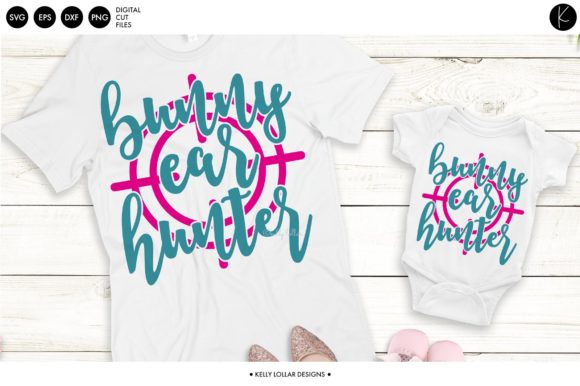
When you first load the Bunny Ear Hunter file into your digitizing software, the layout strikes a balance between playful and structured. It is categorized under Crafts and Graphics, which sets a clear expectation: this is meant to be a focal point, not a subtle background texture. The visual personality is cheerful and slightly rustic, leaning heavily into the "hunter" theme but softened by the iconic bunny ears. It creates a mood that is perfect for spring, but interestingly, it has enough character to work beyond just Easter Sunday.
The design feels like it belongs on a sturdy canvas or a soft cotton blend. It does not scream "high fashion," nor should it. Instead, it whispers "handmade warmth." For designers looking to add a touch of whimsy to their collections without going overboard, this design offers a solid foundation. The quote aspect suggests that typography plays a key role here, meaning the clarity of the lettering will be the deciding factor in whether this design succeeds or fails in a real-world application.
Real-World Application: From Hoop to Product
I recently used this concept to conceptualize a custom embroidered tote bag for a local craft fair. The idea was to create a reusable shopping bag that doubled as a conversation starter. Placing the Bunny Ear Hunter design prominently on the front panel immediately elevated the product from a plain canvas tote to a handmade product with intent. The bold nature of the design ensures it remains legible even when viewed from a distance, which is crucial for Etsy seller listings and physical booth displays.
Beyond totes, this design shines in the realm of custom apparel. Imagine a heather grey sweatshirt with the design centered on the chest. The contrast between the soft fabric and the structured embroidery would create a premium feel. It works equally well as a left-chest logo on a cap, adding a quirky touch to everyday wear. For those in the apparel decorating space, this is a versatile asset that can bridge the gap between casual streetwear and seasonal fashion.
I also envision this design thriving in the nursery decor market. A soft yellow onesie or a baby blanket featuring the Bunny Ear Hunter quote could make for a memorable personalized gift. Parents love unique, non-generic items for their little ones, and this design avoids the overly saccharine aesthetic common in baby clothing. It feels modern yet timeless, which increases its appeal for small shop owners looking to diversify their inventory.
Stitch Clarity and Technical Performance
In terms of execution, the design relies on a mix of satin stitch for outlines and text, and likely some fill stitch for the bunny elements. The success of this project hinges on how well the digitizer managed the stitch density. If the density is too high, the fabric may pucker; if too low, the design may look sparse and unfinished. Based on typical standards for this type of graphic, the design appears balanced, allowing for clean edges without excessive bulk.
For best results, pairing this with the right thread colors is essential. Earth tones like olive green, mustard yellow, or chocolate brown would complement the "hunter" theme beautifully, while pastels would lean into the Easter vibe. Testing these combinations on scrap fabric is non-negotiable. You need to see how the fabric texture interacts with the thread sheen. A matte cotton might absorb the color differently than a polyester blend, altering the final look of the finished product.
Where Caution Is Required
While Bunny Ear Hunter is a strong contender for many projects, it is not a one-size-fits-all solution. Designers must be wary of using this on small hoop sizes where detail loss can occur. Tiny lettering or intricate corners may become muddy if the resolution is not sufficient. Additionally, textured fabrics like bouclé or heavy tweed can obscure the design, making it difficult to read. In such cases, a smoother backing fabric or a different design choice might be more appropriate.
Stretchy fabrics present another challenge. Without proper stabilization, the running stitch elements may distort, leading to a warped appearance. Always use a reliable stabilizer cut to match the hoop size, and consider tear-away or cut-away options depending on the garment's end use. For products that require frequent washing, such as kitchen towels or aprons, ensure the design is anchored well to prevent peeling or fraying over time.
Dark fabrics can also pose a contrast issue. If the design uses light threads, you may need to add a stabilizer layer or choose a darker thread palette to maintain visibility. Curved surfaces, like the brim of a cap, require careful hooping techniques to avoid distortion. Taking the time to test these variables before committing to a full production run will save you from costly mistakes and unhappy customers.
Strategic Value for Creators
From a business perspective, the Bunny Ear Hunter design offers significant value. It taps into the massive seasonal demand for Easter-themed merchandise, which peaks sharply in March and April. However, its versatility allows it to be repurposed for other occasions, extending its lifecycle. For digital product sellers, including this in a bundle of spring designs can increase average order value. For physical product makers, it provides a ready-made solution for creating cohesive collections.
The design also enhances brand consistency. By using a style that aligns with your shop’s aesthetic—whether that is rustic, modern, or playful—you build trust with your audience. Customers recognize quality when they see attention to detail in stitching and thoughtful design choices. This design, when executed well, signals professionalism and care, which are key drivers of customer engagement and repeat purchases.
Final Verdict and Practical Tips
To get the most out of the Bunny Ear Hunter design, start by testing it on various fabric types and thread combinations. Check the hoop size requirements and ensure your machine can handle the specific stitch count without issues. If you plan to sell finished items, verify the licensing terms to ensure you have the right to use the design commercially. Many digital embroidery files come with restrictions that vary by creator.
Consider creating printable mockups to showcase the design in different contexts, such as on tote bags, sweatshirts, and pillows. This helps potential buyers visualize the final product and can boost conversion rates for your Etsy listings or online store. Ultimately, Bunny Ear Hunter is a charming, practical addition to any designer’s library, offering a blend of seasonal charm and broad applicability that makes it a smart investment for both hobbyists and professionals.