Islamic, when We Repair
As a designer who spends more time than I care to admit staring at digitized files and testing stitch-outs, I have learned that the difference between a good embroidery design and a great one often comes down to emotional resonance. It is not just about whether the machine can stitch it; it is about whether the finished piece feels intentional, meaningful, and professionally executed. When I first pulled up Islamic, when We Repair, I did not see just another quote file. I saw a potential centerpiece for a collection of spiritual wellness products, but I also immediately began running through the practical checklist of how this would behave on fabric.
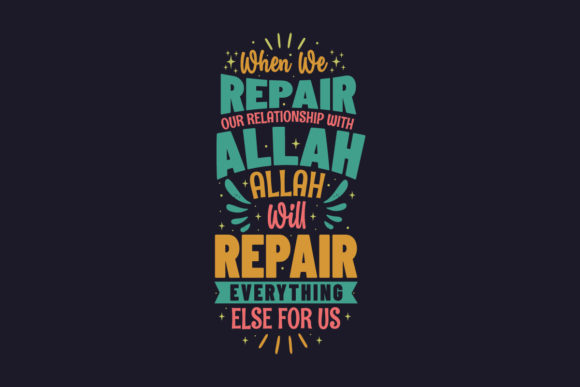
The product description highlights an inspirational message: "When we repair our relationship with Allah, Allah will repair everything else for us." This is powerful copy, particularly for the Ramadan season or for anyone seeking spiritual grounding. However, my job is to evaluate the visual vehicle carrying that message. The file includes AI, EPS, PDF, SVG, DXF, and PNG formats, suggesting versatility beyond just machine embroidery. But in the world of Crafts and Graphics, especially for Etsy sellers and small business owners, the physical application is where the real value is tested. Here is my honest breakdown of how this design performs in real-world scenarios.
First Impressions and Visual Mood
The mood of Islamic, when We Repair is calm, reflective, and structured. Lettering designs are tricky because they rely entirely on typography and spacing to convey tone. From what I can gather from the provided assets, this design leans into a clean, legible aesthetic. In embroidery, clarity is king. If a customer cannot read the quote within three seconds of looking at a tote bag or a sweatshirt, the design has failed its primary communication goal.
I envision this design fitting naturally into a line of boutique apparel or home decor items aimed at the Muslim community during significant religious periods. The layout feels balanced, which is crucial for custom apparel. Unlike chaotic graphic tees, this design invites a slower, more contemplative look. That slowness translates to higher perceived value. When a buyer sees a well-executed lettering design, they associate it with quality. They assume the maker took care. For a handmade product, that assumption is your best marketing tool.
Real-World Application: Where This Design Shines
I spent some time mentally mapping out where Islamic, when We Repair would sit comfortably on various substrates. My first thought was a high-quality cotton canvas tote bag design. The sturdy fabric provides a stable base for the lettering, allowing the stitches to lay flat and crisp. Imagine a neutral-colored bag with this embroidered on the front center or subtly on the side pocket. It becomes a daily reminder for the user, extending the brand’s visibility every time they carry groceries or books.
Another strong candidate is sweatshirt embroidery. Hoodies and crewnecks offer a soft, forgiving surface that hides minor stitching imperfections better than woven shirts. Placing this quote on the chest or the back of a hoodie creates a cozy, personal item perfect for personalized gift markets. During Ramadan, families often exchange gifts, and a hoodie with this specific message carries weight. It is not just clothing; it is a statement of faith and intention.
I also see potential in nursery decor and baby items. A onesie or a blanket featuring this design could be a hit for baby showers among Muslim families. The gentle nature of the text pairs well with soft pastels or earth tones. However, this requires careful attention to thread selection. You want threads that are soft against a baby’s skin, avoiding any coarse metallics or overly dense stitching that might irritate sensitive skin. This is where understanding your thread colors and material choices becomes critical for customer satisfaction.
Technical Considerations and Potential Pitfalls
While the concept is strong, no design is flawless without proper execution. As an experienced reviewer, I must point out where this design needs caution. First, consider the stitch density. If the lettering involves large blocks of fill stitch, you risk puckering on lighter fabrics. Always test the design on scrap fabric before committing to expensive materials. If the design relies heavily on fine details, ensure your hoop size is adequate. Small hoops can distort larger lettering, stretching the fabric and warping the words.
Fabric texture plays a huge role in the final look. On a textured linen or a heavy denim, the definition of the letters might get lost. Conversely, on a smooth jersey knit, you need a proper stabilizer to prevent the fabric from shifting under the needle. I strongly advise using a cut-away stabilizer for garments that will undergo frequent washing, such as aprons or kitchen towels. These items take a beating in the wash, and poor stabilization leads to unraveling or distortion over time.
Another area to watch is dark fabric. Embroidery on black or navy backgrounds requires excellent contrast. If the thread colors are not vibrant enough, the white text of the message might disappear into the darkness. Test your color palette in black-and-white mockups to ensure readability. This is a simple step that saves returns and bad reviews later.
Specific Use Cases to Avoid or Modify
- Small Hoop Sizes: If the design exceeds standard 4x4 inch hoops, ensure your machine can handle the larger dimensions. Stretching a design across multiple hoops can lead to misalignment.
- Curved Surfaces: While caps and hats are popular, applying flat lettering to a curved brim or crown can be challenging. Distortion is common unless you use specialized cap frames and practice tension settings.
- Thin Fabrics: Avoid using this on very thin silks or sheer materials without additional backing, as the weight of the thread may tear the fabric.
Commercial Viability and Brand Consistency
For commercial embroidery projects, consistency is key. If you are building a brand around spiritual wellness or Islamic art, Islamic, when We Repair fits seamlessly into a cohesive aesthetic. It allows you to create matching sets—perhaps a prayer rug cover, a hijab pin, or a wall hanging—all sharing the same typographic voice. This level of brand consistency builds trust. Buyers know what to expect from you, and they feel confident purchasing from a shop that presents a unified vision.
Furthermore, the inclusion of digital formats like SVG and DXF opens doors for digital product sellers. You can offer these files alongside physical goods, catering to other crafters who want to use the design in vinyl cutting or laser engraving. This diversifies your income stream. However, always confirm licensing terms. Just because you purchased the file does not automatically grant you commercial rights to resell the digital asset itself. Check the provider’s terms to ensure you are compliant when selling finished product lines.
Final Verdict
Islamic, when We Repair is more than just a decorative element; it is a conversation starter. It works best when applied to mediums that allow the viewer to pause and reflect. Whether you are creating a holiday embroidery gift for a loved one or stocking shelves with boutique branding items, this design offers a solid foundation. Its strength lies in its simplicity and profound message. By paying attention to technical details like stabilizer choice, thread contrast, and fabric stability, you can transform this digital file into a tangible object of beauty and meaning. It is a reliable addition to any embroidery project library, provided it is treated with the respect and preparation it deserves.