You Are a Mermaid Water Tracker Embroidery Review
As an embroidery designer who spends half my life tweaking stitch density and the other half worrying about how thread colors translate from screen to fabric, I approach every new digital download with a mix of excitement and skepticism. The market is flooded with "cute" designs that look charming in a JPEG but fall apart under the needle. Recently, I pulled You Are a Mermaid Water Tracker into my hoop to see if it holds up in real-world application. This isn't just another clip-art file; it’s a functional piece of art intended for hydration tracking, which adds a layer of complexity regarding text legibility and layout balance.
First Impressions: Mood and Visual Personality
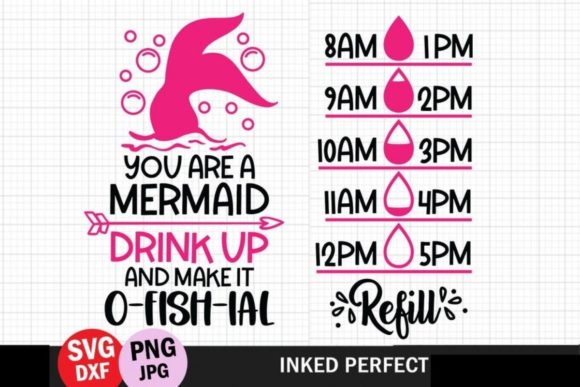
The moment you load this design, the mood is immediately set. It’s playful, whimsical, and undeniably cute without being overly saccharine. The concept of a mermaid-themed water tracker taps into a popular aesthetic that blends fantasy with daily wellness habits. For a crafter or small business owner, this visual personality is gold. It suggests a product that is both a tool and a conversation starter.
Visually, the design feels balanced. The central figure likely commands attention, while the accompanying text—"You Are a Mermaid"—serves as a supportive anchor rather than a competing element. In embroidery, hierarchy is everything. If the lettering fights the illustration for space, the result looks cluttered. From what I can gather, this design prioritizes readability, which is crucial for a tracker where users need to mark their progress quickly. The theme naturally belongs to projects that celebrate self-care, summer vibes, or aquatic motifs, making it versatile for seasonal collections.
Real-World Application: Where Does This Design Shine?
I always test designs by imagining them on specific products before committing to production. You Are a Mermaid Water Tracker has a unique advantage because its primary function is tied to a physical object: the water bottle. However, its potential extends far beyond just sticking it on a plastic container.
Imagine preparing a custom embroidered tote bag for a yoga studio gift box. Placing this design on a sturdy canvas tote creates an instant connection between the bag's utility and the user's lifestyle goals. It transforms a generic accessory into a personalized gift that encourages healthy habits. Similarly, for a sweatshirt embroidery project, this design could work beautifully on the chest area of a cozy hoodie, appealing to those who love subtle, meaningful statements.
In the realm of baby embroidery, the softness associated with mermaid themes pairs well with nursery decor or baby blankets. While the "tracker" aspect might seem advanced for infants, the aesthetic translates perfectly to milestone blankets or christening gifts. For craft fair products, think about embroidered patches. A detachable patch featuring this design allows customers to customize their own gear, adding value through personalization. It also fits seamlessly into holiday embroidery collections, serving as a unique alternative to traditional seasonal motifs.
Technical Considerations and Stitch Performance
When evaluating any machine embroidery design, I look at how the stitches behave. Designs like this often rely on a combination of satin stitches for outlines and fill stitches for color blocking. The key here is stitch density. If the density is too high, the fabric may pucker, especially if you are working with lighter materials. Conversely, if it’s too sparse, the stabilizer might show through, ruining the clean finish.
For best results, I recommend using a proper cut-away stabilizer for woven fabrics to ensure stability during stitching, particularly if the design includes dense areas. If you are attempting this on a cap or hat, be cautious. Curved surfaces like caps require precise hooping techniques to prevent distortion. The text elements must remain legible even when stretched slightly over a curve, so checking the font weight in your digitizing software is essential.
Fabric texture plays a significant role in the final look. On a smooth cotton twill, the details will pop. On a textured linen or a stretchy knit, you might lose some of the finer details unless you adjust your tension and use a tear-away stabilizer correctly. Always test on scrap fabric first. This simple step can save you from ruining a premium garment or a customer’s order due to unexpected thread breaks or misalignment.
Where to Exercise Caution
Not every surface is created equal. There are specific scenarios where You Are a Mermaid Water Tracker might not perform as expected:
- Small Hoop Sizes: If you attempt to downsize this design significantly, fine details may merge together, and text may become unreadable. Stick to the recommended minimum hoop size.
- Dark Fabric: If the design relies on light thread colors, contrast becomes critical. Ensure your thread palette offers enough visibility against darker backgrounds, or consider using a contrasting backing.
- Stretchy Fabrics: Knits and spandex blends can distort under the pressure of the hoop. Use a stabilizer specifically designed for knits to maintain shape.
- Dense Stitch Areas: Avoid placing dense sections over seams or zippers, as this can cause bulkiness and needle breakage.
Impact on Product Value and Brand Consistency
For Etsy sellers and small shop owners, the difference between a good design and a great one often comes down to perceived value. A well-executed embroidery project signals professionalism and care. When a customer receives a handmade product featuring a cohesive, clearly stitched design like this, it builds trust. It shows that attention was paid to detail, from thread selection to finishing touches.
This design also enhances brand consistency. If your shop focuses on whimsical, empowering, or ocean-inspired themes, this asset fits right in. It helps create a recognizable style that customers can identify with. Furthermore, the "tracker" aspect adds a functional layer to the product, increasing its utility. Customers are more likely to engage with and retain items that serve a purpose beyond mere decoration.
Practical Designer Notes for Implementation
Before you start stitching, keep these practical tips in mind to ensure a smooth workflow:
- Thread Color Contrast: Preview your design with different thread palettes. What looks good on screen might clash in person. Test combinations that offer clear contrast between the background and the design elements.
- Black and White Mockups: Convert your design to grayscale to check for contrast issues. This helps identify areas that might get lost in the stitching.
- Licensing and Commercial Use: Always verify the license terms. Even if you buy the digital file, confirm whether you have the right to sell finished products made from it. This protects your business from legal complications.
- Stabilizer Selection: Match your stabilizer to your fabric type. Heavy fabrics need strong support, while delicate fabrics need gentle removal methods.
- Test Runs: Never skip the test run. Stitch the design on a scrap piece of the actual fabric you plan to use. Check for alignment, tension, and overall appearance.
Ultimately, You Are a Mermaid Water Tracker is more than just a graphic; it’s a tool for creating meaningful connections between makers and their customers. By understanding its strengths and limitations, you can integrate it into your projects with confidence, resulting in finished products that are both beautiful and functional. Whether you are designing for yourself or building a craft business, this design offers a solid foundation for creative expression.